How Home Wound Dressing Services Help in Managing Chronic and Post-Surgery Wounds
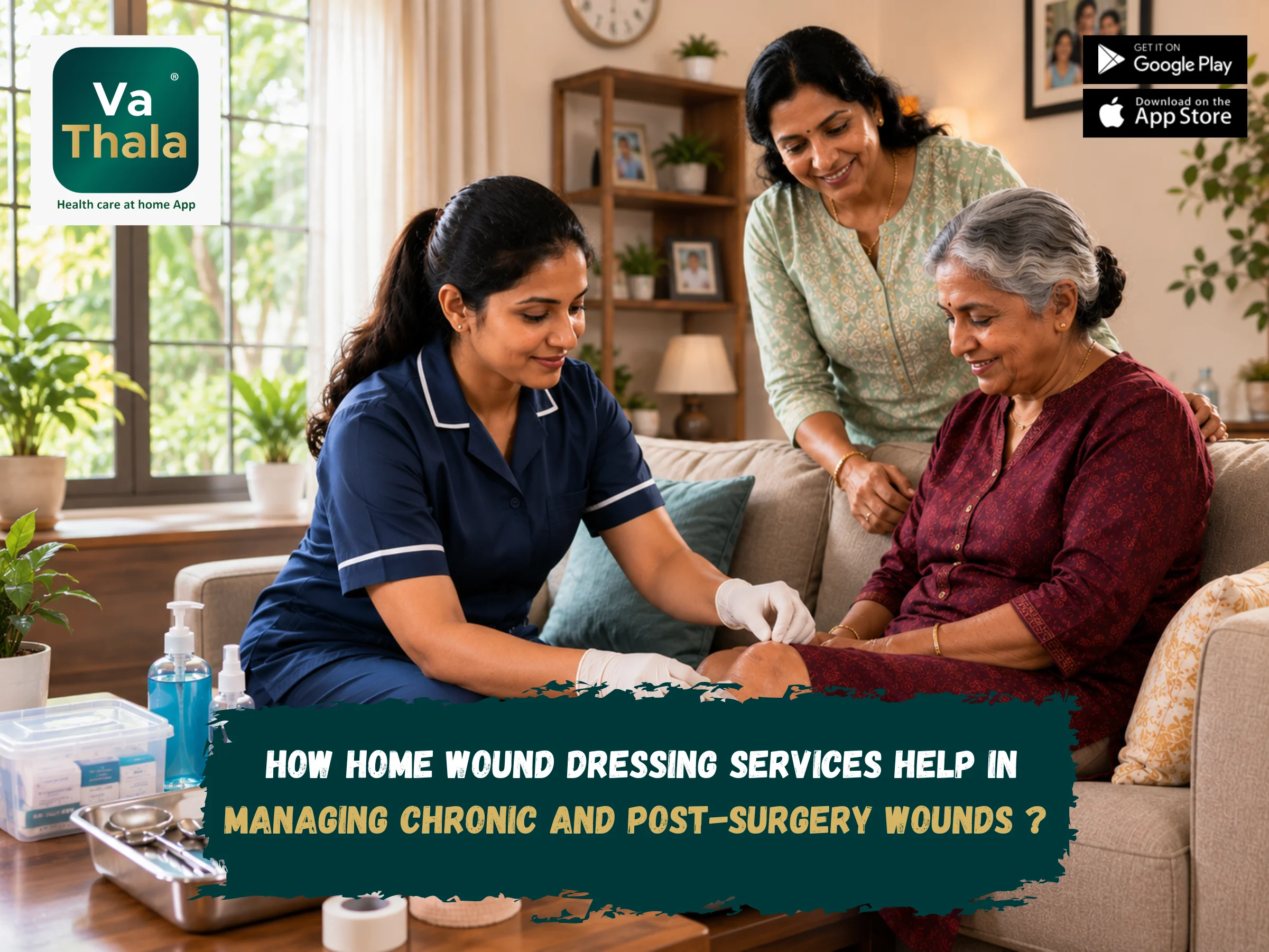
Recovering from a wound can be challenging, especially when regular dressing changes and monitoring are required. Chronic wounds and post-surgical wounds need consistent care to prevent infections and support proper healing. For many patients, traveling to hospitals frequently can be difficult, particularly for seniors, individuals with limited mobility, and those recovering from surgery.Home wound dressing services offer a practical solution by bringing professional wound care directly to the patient's home. With skilled nursing support, patients can receive timely treatment, personalized care, and continuous monitoring in a comfortable environment.
Understanding Chronic and Post-Surgery Wounds
Not all wounds heal at the same pace. Some wounds require ongoing medical attention due to underlying health conditions or surgical procedures.
Chronic Wounds
Chronic wounds are wounds that do not heal within the expected timeframe. These may include:
- Diabetic foot ulcers
- Pressure sores (bedsores)
- Venous leg ulcers
- Arterial ulcers
Post-Surgery Wounds
After surgery, proper wound management is essential to prevent complications and support recovery. Surgical wounds require regular assessment, cleaning, and dressing changes to ensure healthy healing.
Why Professional Wound Care Matters?
Improper wound care can lead to serious complications, including infections, delayed healing, and unnecessary hospital visits.Professional wound care helps:
- Reduce the risk of infection
- Promote faster healing
- Identify complications early
- Minimize scarring
- Improve patient comfort
Regular monitoring by trained healthcare professionals ensures that any signs of concern are addressed promptly.
How Home Wound Dressing Services Support Recovery ?
Expert Wound Assessment
Qualified nurses evaluate the wound condition, size, depth, drainage, and healing progress. This helps determine the most suitable treatment approach.
Safe and Sterile Dressing Changes
Maintaining a sterile environment during dressing changes is crucial for preventing infections. Home care nurses follow strict hygiene protocols and use appropriate wound dressing materials.
Early Detection of Complications
Signs such as redness, swelling, unusual discharge, increased pain, or delayed healing can indicate potential complications. Regular monitoring allows for timely intervention.
Personalized Wound Management
Every wound is different. Home healthcare professionals create care plans based on:
- Wound type
- Medical history
- Age
- Mobility level
- Existing health conditions
Pain and Comfort Management
Frequent dressing changes can sometimes be uncomfortable. Skilled nurses use proper techniques to minimize discomfort and help patients remain comfortable throughout treatment.
Benefits of Home Wound Dressing Services
Convenience at Home
Patients receive professional care without the stress of frequent hospital visits.
Reduced Risk of Hospital-Acquired Infections
Receiving treatment at home can help limit exposure to infections commonly found in healthcare facilities.
Faster Recovery Support
Consistent care and proper wound management can contribute to improved healing outcomes.
Better Quality of Life
Patients can recover in familiar surroundings while maintaining their daily routines as much as possible.
Family and Caregiver Guidance
Home care nurses educate family members and caregivers on wound care practices, hygiene measures, and warning signs that require medical attention.
Who Can Benefit from Home Wound Dressing Services?
Home wound care may be suitable for:
- Patients recovering from surgery
- Elderly individuals with limited mobility
- People managing diabetic wounds
- Bedridden patients with pressure ulcers
- Individuals recovering from injuries or burns
- Cancer patients experiencing treatment-related skin wounds
- Patients requiring long-term wound management
Signs That a Wound Needs Professional Attention
Seek professional wound care if you notice:
- Persistent pain
- Increased redness or swelling
- Foul odor from the wound
- Excessive drainage
- Fever or signs of infection
- Slow or delayed healing
Early treatment can help prevent complications and support better recovery outcomes.
Why Choose Va Thala Home Healthcare for Wound Dressing Services?
VaThala Home Healthcare provides professional wound care services designed to support patients throughout their healing journey.
Experienced Nursing Professionals
Skilled nurses deliver safe and effective wound management based on individual patient needs.
Personalized Care Plans
Each patient receives a treatment approach tailored to their wound condition and recovery goals.
Convenient Home Visits
Care is provided at the patient's doorstep, reducing travel-related stress.
Transparent Pricing
Affordable service packages with clear pricing and no hidden charges.
Ongoing Monitoring and Support
Regular follow-ups help ensure steady healing and timely intervention when needed.
Conclusion
Proper wound care plays a crucial role in preventing complications and supporting faster recovery. Whether managing a chronic wound or recovering after surgery, professional home wound dressing services provide the expertise, consistency, and convenience needed for effective healing.With VaThala Home Healthcare, patients can receive reliable wound care support in the comfort of their homes, helping them recover safely and confidently while improving their overall quality of life.
Frequently asked questions
- 1. What are home wound dressing services?
- Home wound dressing services involve professional wound care provided by trained nurses at the patient's home. These services include wound assessment, dressing changes, infection monitoring, and guidance for proper healing.
- 2. Who can benefit from wound dressing services at home?
- Home wound care is beneficial for post-surgical patients, elderly individuals, bedridden patients, people with diabetic foot ulcers, pressure sores, burns, injuries, and anyone requiring regular wound management.
- 3. How often should a wound dressing be changed?
- The frequency of dressing changes depends on the type of wound, its condition, and the healthcare provider's recommendations. A qualified wound care nurse can determine the appropriate schedule for each patient.
- 4. Can home wound dressing services help prevent infections?
- Yes. Professional nurses follow strict hygiene and sterilization protocols while performing wound care, helping reduce the risk of infections and other complications.
- 5. What types of wounds can be treated at home?
- Home wound dressing services can support the management of surgical wounds, diabetic ulcers, pressure ulcers, venous ulcers, burns, cuts, injuries, and other chronic or non-healing wounds.
Published by VaThala · More articles